

Material sourcing built for execution, not speculation.
Material Capability Overview
MINYOO TEXTILE provides fabric sourcing across core apparel material categories, supporting garment manufacturers, sourcing teams, and brands with structured material selection and execution readiness.
Our focus is not on selling fabrics individually, but on ensuring that materials align with production realities, timelines, and downstream requirements across export-oriented apparel programs.
How We Approach Fabrics
Our Material Philosophy
At MINYOO TEXTILE, fabrics are treated as functional components of an apparel system — not isolated products.
Material decisions are evaluated based on how fabrics behave during cutting, sewing, finishing, washing, and bulk production, rather than appearance alone.
Our sourcing philosophy emphasizes:
- Production feasibility over sample appearance
- Consistency and repeatability over novelty
- Availability and stability over one-off selection
We believe that material selection only creates value when it can be executed reliably at scale.
Material & Performance Reference
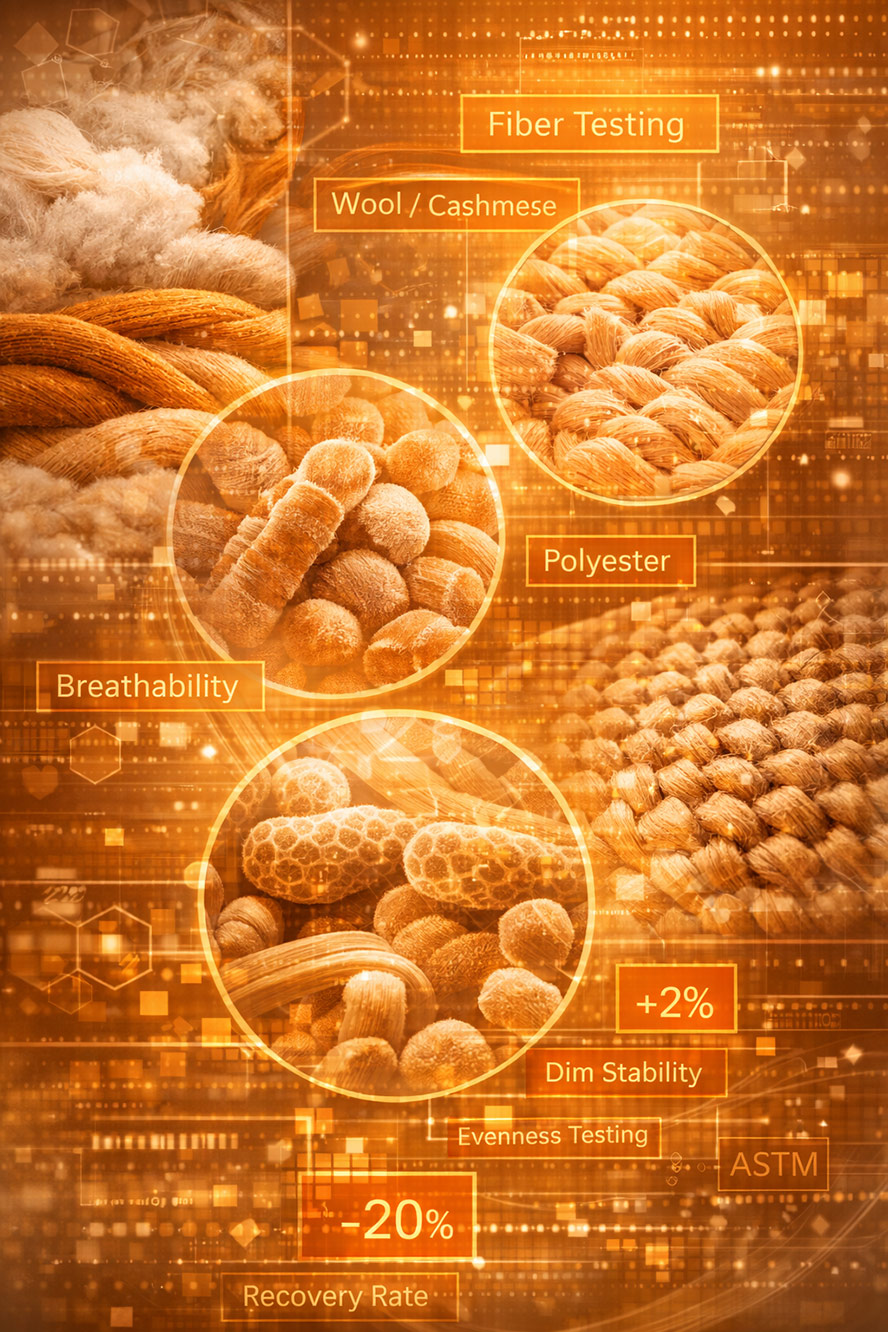
A practical understanding of fibers, structures, finishes, and performance behavior is essential to successful fabric sourcing.
MINYOO TEXTILE works with a wide range of fibers, fabric constructions, and finishing processes commonly used in export-oriented apparel manufacturing.
Our focus is not on listing materials, but on understanding how material choices perform under real production and end-use conditions.
Fiber & Material Scope
We regularly work with material categories including, but not limited to:
- Natural fibers: cotton, wool, cashmere
- Regenerated fibers: viscose, modal, cupro, acetate
- Synthetic fibers: polyester, nylon, modified and functional yarns
- Blended constructions for durability, cost balance, or performance
- Special-purpose yarns, including antibacterial or functional yarns (as specified by projects)
Material selection is always evaluated in relation to availability, lot consistency, dyeing stability, and downstream processing feasibility.
Fabric Structures & Construction Types
Our sourcing and development experience covers a broad range of fabric constructions, including:
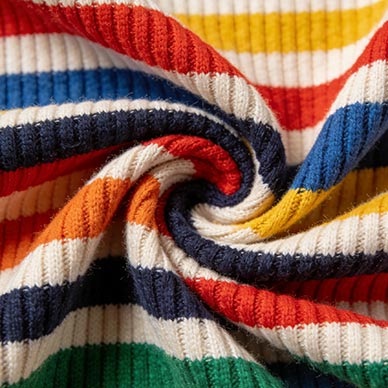
- Knitted fabrics: jersey, rib, interlock, terry, fleece, brushed knits
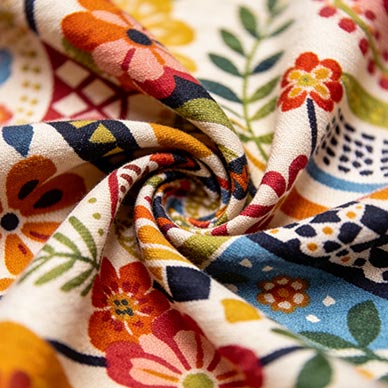
- Woven fabrics: poplin, twill, denim, crepe, dobby, textured wovens
- Pile and specialty surfaces: velvet, teddy fleece, looped or raised constructions
- Structure-driven performance fabrics, where construction directly impacts behavior
Fabric structures are assessed not only for handfeel and appearance, but for dimensional stability, repeatability, and compatibility with garment construction.
Finishing & Functional Treatments
MINYOO TEXTILE coordinates and evaluates finishing processes commonly applied in commercial production, including:
- Surface finishes: brushing, shearing, embossing, foil printing
- Functional treatments: water-repellent, wind-resistant, breathable finishes
- Bonding, lamination, and coating processes, where applicable
- Durability- or care-related finishes aligned with export market requirements
Finish selection is always reviewed together with the base fabric structure to avoid performance conflicts during production or after washing.
Performance Awareness in Fabric Development
While MINYOO TEXTILE is not positioned as a testing laboratory, we maintain strong execution awareness of performance-related considerations such as:
- Breathability and moisture behavior
- Elastic recovery and dimensional stability
- Handfeel changes after washing or finishing
- Surface durability and appearance retention
These factors are addressed during development, sampling, and pre-production alignment, rather than being left to post-production correction.
Material Decisions Anchored in Execution Reality
All material and performance discussions are framed by:
- Confirmed production routes
- Realistic mill and finishing capabilities
- Cost and lead-time constraints
- Quality control and inspection requirements
This ensures that material decisions remain commercially executable, not theoretically ideal.
Fabric Categories
Our fabric sourcing scope covers essential apparel material categories commonly used across fashion and functional garment production.
This overview represents material capability coverage, not a fixed product catalog.
Decorative & Specialized Materials
Certain material categories require deeper development capability and production control, particularly in lace, embroidery, and decorative fabrics.
For projects involving complex decorative materials, MINYOO TEXTILE works with WELLACE, a specialized lace and embellishment manufacturing platform within the broader MINYOO supply structure.
This allows us to combine broad fabric sourcing with dedicated execution depth where required.
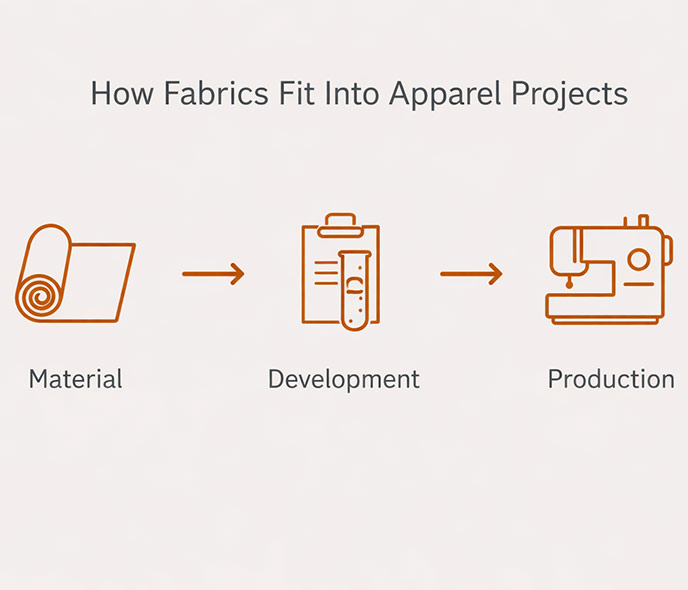
Where Fabrics Fit in the Apparel Process
How Fabrics Fit Into Apparel Projects
Fabric sourcing at MINYOO TEXTILE is positioned early in the apparel development cycle, where material decisions have the greatest impact on cost, timeline, and production risk.
Our fabric involvement typically supports:
- Early material exploration and feasibility assessment
- Sampling and lab dip coordination
- Alignment between material properties and garment construction
- Pre-production material confirmation
Material decisions are made with downstream execution in mind.
Product Visibility & Inquiry Model
MINYOO TEXTILE does not operate an online retail or e-commerce platform.
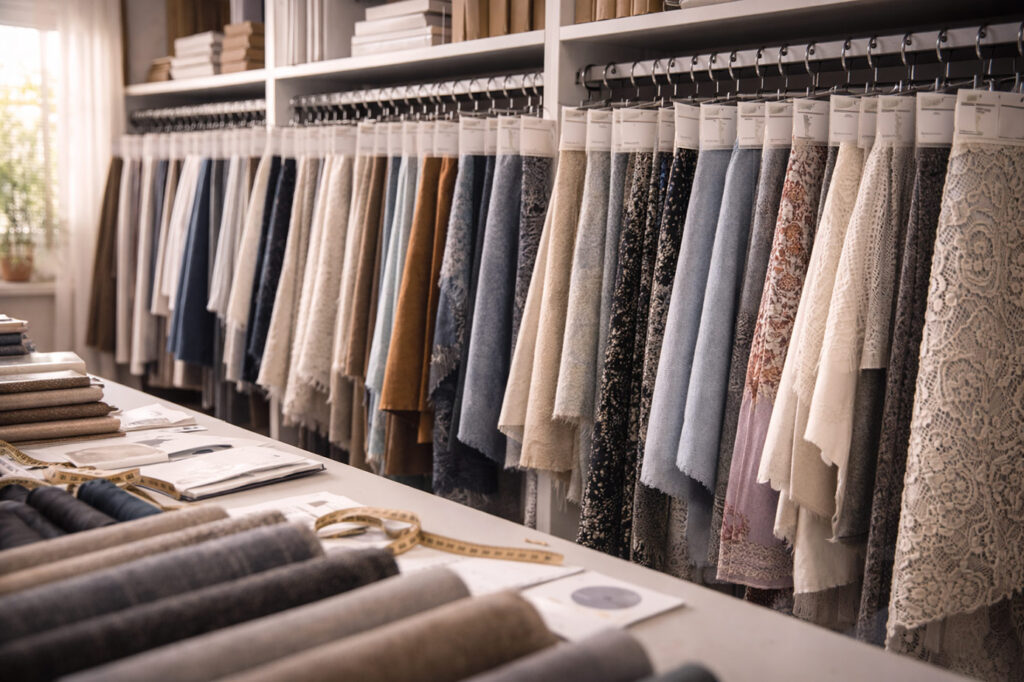
Fabrics are presented to illustrate material capability and sourcing scope rather than as off-the-shelf products.
All fabric projects are handled based on:
- Specifications or reference samples
- Intended application and production conditions
- Volume, timeline, and sourcing constraints
Typical Fabric Sourcing Scenarios
- Material selection for new apparel collections
- Cost or availability-driven fabric alternatives
- Multi-category sourcing under one project
- Decorative material integration with base fabrics
This fabric structure supports both focused material needs and complex, multi-category sourcing projects.
Material Decisions Made Executable
Fabrics form the foundation of every apparel project.
At MINYOO TEXTILE, material sourcing is approached as a structured, execution-focused process — ensuring that fabric decisions translate into reliable production outcomes.
- Our fabric offering covers a focused range of materials commonly used in export-oriented apparel manufacturing, developed and sourced based on real production requirements.
- Woven Fabrics
- Cotton, blends, and specialty woven constructions suitable for shirts, trousers, outerwear, and structured garments.
- Knitted Fabrics
- Single jersey, rib, interlock, and functional knits developed for comfort, performance, and consistency.
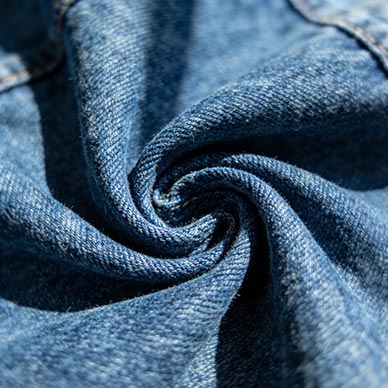
- Denim Fabrics
- Indigo and non-indigo denim fabrics with controlled construction, finishing, and wash adaptability.
- Functional & Special Fabrics
- Materials with functional finishes or specific performance requirements, developed for defined garment applications.