

Service Overview
Bridging material development and production readiness.
Sampling and lab dips are critical steps in translating material selection into production-ready confirmation.
MINYOO TEXTILE supports sampling coordination and color alignment with a focus on repeatability, specification accuracy, and production feasibility.
Why Sampling Matters
Why Sampling Matters
Sampling is not only about appearance confirmation.
It is a verification process that reveals how materials, colors, and structures behave under real production conditions.
- Structure and handfeel consistency
- Color behavior across batches
- Fabric response after washing and finishing
- Compatibility with garment construction
Issues identified during sampling are significantly more controllable than those discovered during production.
Sampling and evaluation can be aligned with customer-specified compliance or certification requirements when applicable.
Sampling Scope & Coverage
Sampling Scope & Coverage
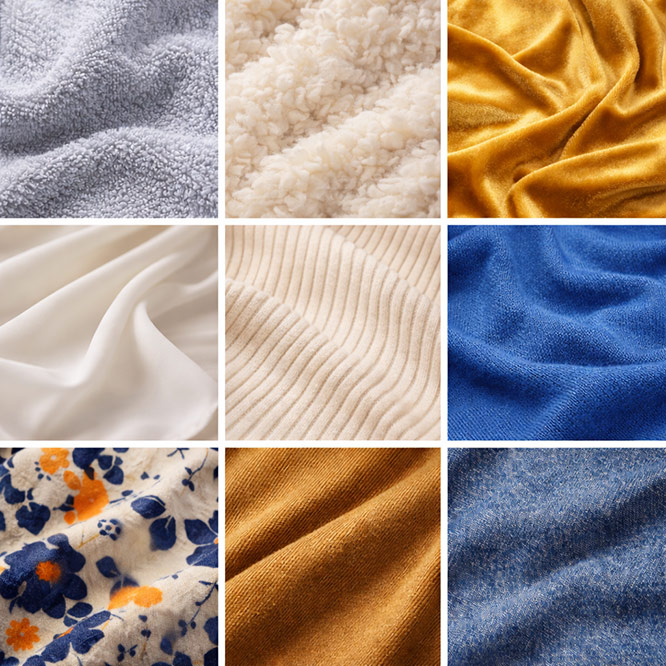
MINYOO TEXTILE supports sampling across different fabric categories and development stages.
- Fabric sample development
- Yardage sampling for testing and review
- Prototype garment material coordination
- Sampling for cost, structure, or finish adjustment
- Multi-round sampling coordination when required
Sampling is managed with a clear understanding of downstream production constraints.
Lab Dips & Color Alignment
Lab Dips & Color Alignment
Color development is one of the most sensitive variables in textile production.
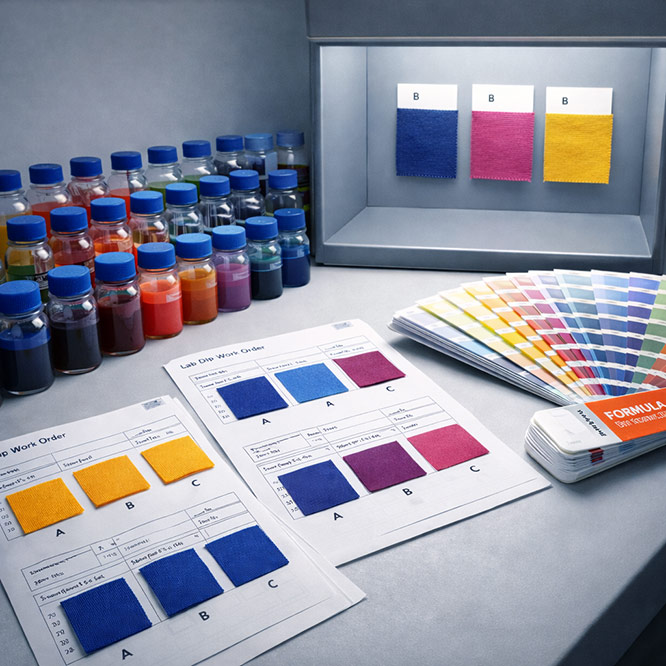
MINYOO TEXTILE coordinates lab dips with attention to color stability, batch consistency, and production conditions.
- Lab dip submission and comparison
- Multi-round color adjustment coordination
- Evaluation under specified light sources
- Alignment with finishing and dyeing processes
Color approval is approached as a process, not a single result.
Color development and lab dip evaluation can take into account compliance-related considerations, including color fastness or restricted substance requirements, when specified.
Sampling Coordination Process
Sampling Coordination Process
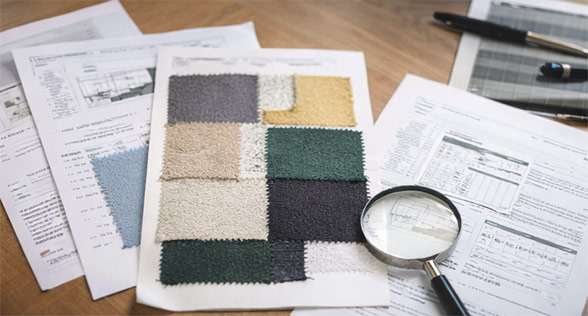
Specification & Reference Review
Confirming fabric structure, color references, and usage requirements.

Sample Development Coordination
Working with suitable suppliers to develop samples based on feasibility.

Review & Adjustment
Collecting feedback and coordinating necessary refinements.

Alignment for Next Stage
Preparing samples for testing, costing, or production planning.
Our coordination aims to minimize trial-and-error during production.
Common Sampling Challenges We Address
Common Sampling Challenges We Address
- Color deviation between lab dips and bulk production
- Fabric handfeel inconsistency across sample rounds
- Structural changes after finishing or washing
- Misalignment between sample appearance and production feasibility
- Delays caused by unclear specifications or unrealistic expectations
Sampling challenges are addressed through early identification and practical adjustment.
How Clients Work With Us
How Clients Work With Us
Clients typically engage MINYOO TEXTILE for sampling support during early development or pre-production stages, when material confirmation is critical.
- Specification-driven sampling
- Reference-sample-based color and fabric development
- Ongoing sampling coordination across multiple styles or seasons