Custom Fabric Supply for Apparel Production
From fabric selection to bulk production —
we support development, sampling, and manufacturing with a production-focused approach.

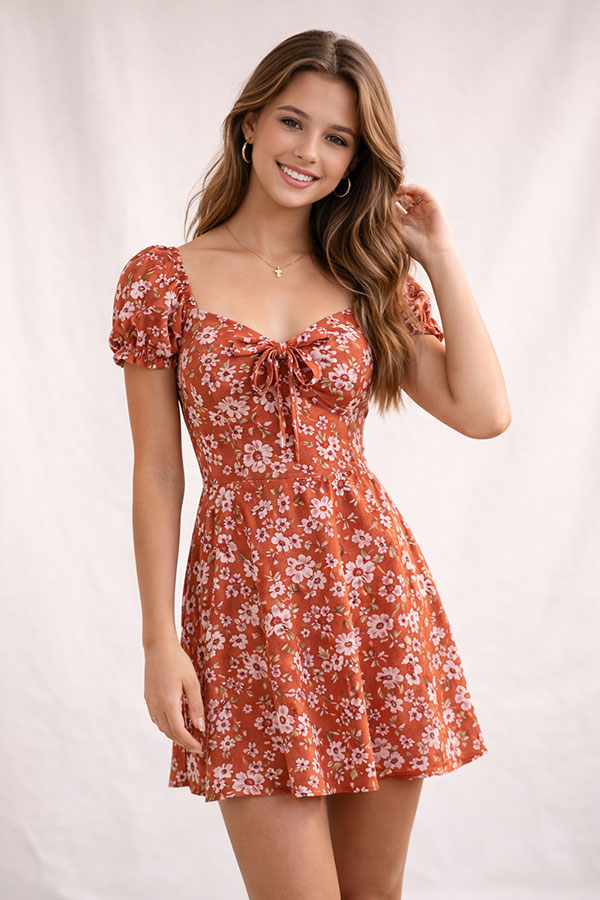
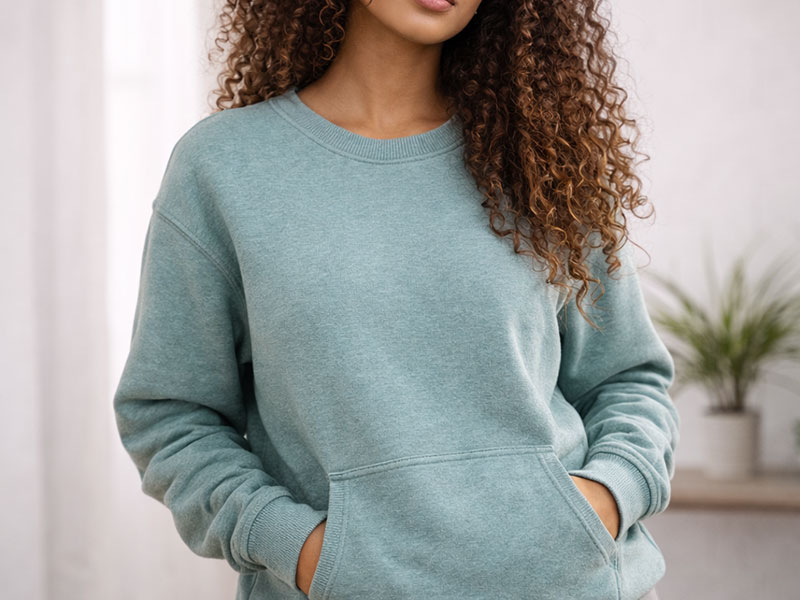
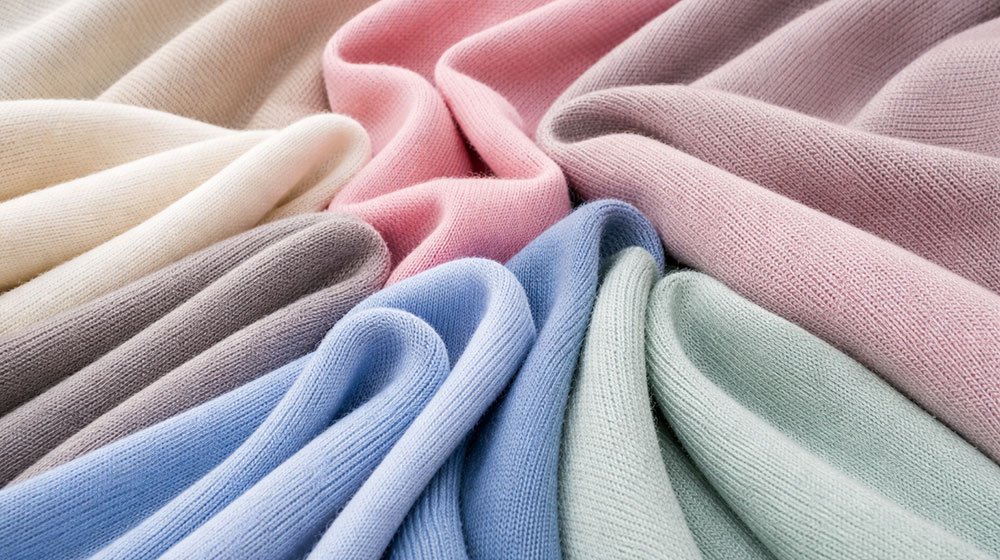
Fabric Selection Is About Behavior, Not Appearance
Fabric categories may look similar at first glance,
but they behave very differently once they enter production.
Construction, dyeing, finishing, and processing all affect how a fabric performs — often in ways that are not visible during initial selection.
Choosing the right fabric starts with understanding how it behaves, not just how it looks.
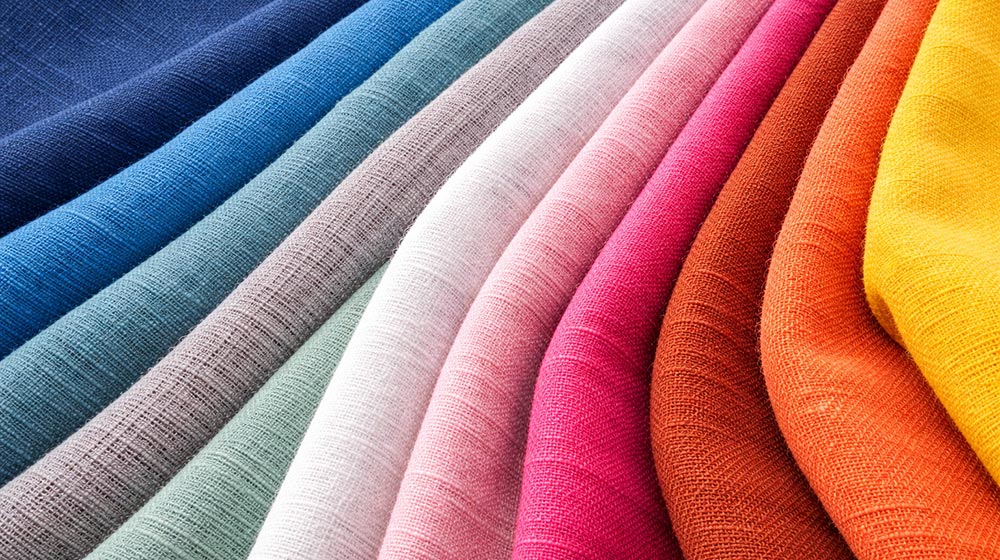
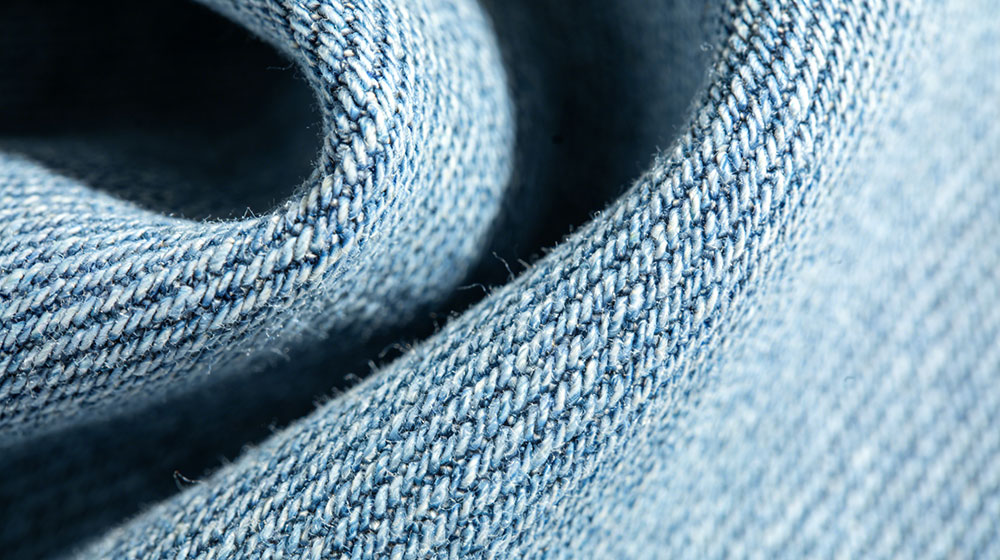
Production Results Are Defined by Key Variables
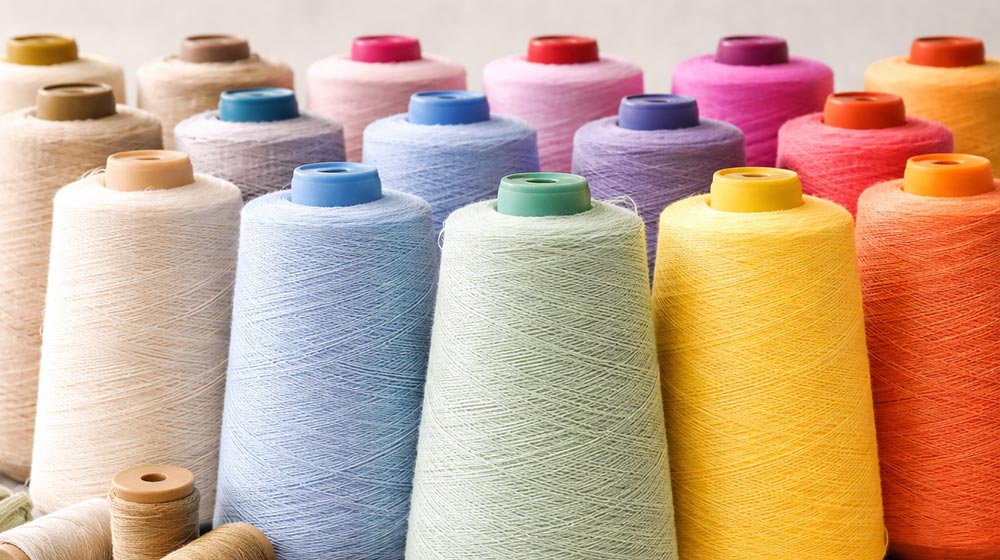
Once the fabric category is selected, production outcomes depend on a set of critical variables.
These include fabric construction, color development, finishing methods, and the capability of the mill executing the material.
Even within the same category, different decisions can lead to very different results in bulk production.
Understanding and controlling these variables is what reduces risk and improves consistency.
This Is Where Development and Control Matter
At this stage, the focus shifts from selecting fabrics to making them work in production.
Development, sampling, and production control ensure that the fabric performs consistently from sample to bulk.
This is where experience, coordination, and execution begin to make a real difference.
Start with the Right Fabric Direction
Share your product idea or fabric reference — we help define the right fabric category and development approach.